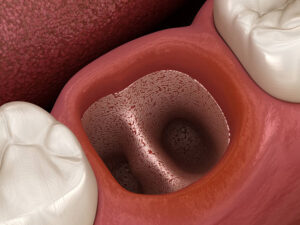
Not every patient has enough jawbone to support dental implants right away. Bone loss can develop after tooth removal, gum disease, or years of wearing dentures, and it can affect how stable an implant will be. When this happens, dentists often recommend preparatory procedures such as a sinus lift or ridge augmentation, sometimes referred to as ridge preservation or ridge expansion. Patients in Ballwin, MO, St. Louis, MO, and nearby areas, including Ellisville, Manchester, and Chesterfield, often hear about these options while planning implant care.
Your St. Louis implant specialist may suggest these procedures to improve long-term implant stability and reduce the risk of future complications. Whether you are exploring dental implants in Ballwin or St. Louis and searching for an implant dentist near you, understanding how bone support works helps you make informed decisions. At ActOn Implants, careful planning is used to determine whether a sinus lift for dental implants or ridge augmentation in St. Louis is needed. Both approaches are designed to rebuild bone volume so Ballwin tooth implants can remain secure and function comfortably for years.
Why Bone Volume Matters for Dental Implant Success in St. Louis, MO
Dental implants rely on healthy bone to remain stable over time. The implant post needs enough height and width in the jaw to anchor securely and integrate with the surrounding bone. When bone volume is limited, the implant may not bond as expected or may lack long-term support. This is why bone quality plays a direct role in implant success for patients considering dental implants in Ballwin, MO, or throughout the St. Louis area.
Insufficient bone is a very common reason dentists recommend preparatory procedures before implant placement. Bone loss often develops slowly after tooth removal, gum disease, or long-term denture use. In these cases, bone grafting for implants helps rebuild the foundation needed for predictable results. Periodontists and implant specialists evaluate bone density and thickness using CBCT imaging, which allows precise planning and helps support implant success for St. Louis patients.
How Your Ballwin Implant Dentist Evaluates Bone Health
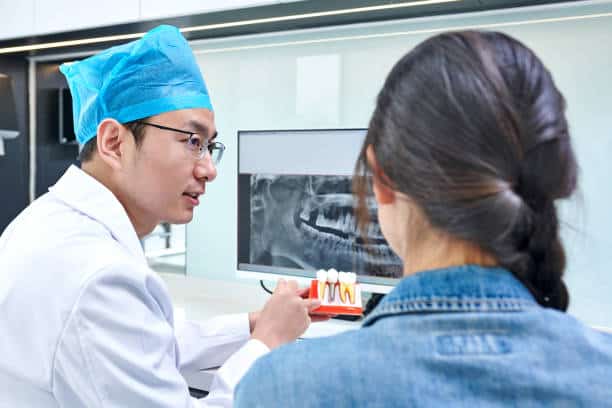
A Ballwin implant dentist begins the evaluation process with a CBCT scan, which creates a detailed three-dimensional image of the jaw. This scan shows bone height, width, and density at each potential implant site. Clinical exams are also used to assess gum health, bite forces, and spacing.
During implant evaluation in St. Louis, providers look at how much bone is available and how well it can support healing. Bone density is often discussed using classifications such as D1 through D4, which describe how dense or soft the bone is. These findings help guide implant placement timing and healing expectations. CBCT for dental implants allows for precise planning and safer outcomes.
Common Reasons Patients Need Bone Support Before Implants
Several everyday dental and health factors can reduce bone volume before implant placement:
- Gum disease that damages the bone supporting natural teeth
- Long-term tooth loss affecting multiple tooth implants in Ballwin
- An extended denture wear that places pressure on the jawbone
- Sinus expansion after the upper back teeth are lost
- Natural bone loss after tooth extraction without ridge preservation
These conditions often make implant preparation necessary before placing implants.
What Is a Sinus Lift? Understanding When It’s Needed for Upper Dental Implants
A sinus lift is a procedure used to increase bone height in the upper back portion of the jaw. This area sits close to the sinus cavity, which can limit how much bone is available for dental implants. When upper molars or premolars have been missing for a long time, the sinus space can gradually move downward, leaving too little bone to support an implant.
For patients planning dental implants in St. Louis, MO, a sinus lift creates the space needed to place implants safely and securely. Rather than forcing an implant into limited bone, this approach builds support first. A sinus lift for dental implants helps improve long-term stability and reduces the risk of implant failure in the upper jaw.
How a Sinus Lift Procedure Works (Step-by-Step)
A sinus lift follows a structured process focused on safety and precision. The goal is to create enough bone height while protecting the sinus area.
- A CBCT evaluation is used to measure existing bone and sinus position
- Access is created to reach the sinus floor in the upper jaw
- The sinus membrane is gently lifted upward to create space
- Bone graft material is placed to increase bone height
- Healing typically occurs over a period of about 4 to 9 months
Guided implant planning helps determine how much bone is needed and where grafting should occur. A Ballwin implant specialist monitors healing carefully before moving forward with implant placement.
Signs You May Need a Sinus Lift Before Implants
Some patients learn they need a sinus lift only after imaging is completed. Common signs include:
- Limited bone height in the upper back jaw
- Implant sites located close to the sinus cavity
- Missing upper molars or premolars for several years
Patients searching for tooth implants in Ballwin or dental implants near me often discover this need during evaluation. Addressing bone height early allows implants to be placed more securely and with greater confidence.
What Is Ridge Augmentation? Rebuilding Bone Width for Dental Implants in Ballwin, MO
Ridge augmentation is a procedure used to rebuild the shape and width of the jawbone after teeth have been lost. When a tooth is removed and not replaced, the surrounding bone can shrink over time. This often leaves the ridge too narrow or uneven to support a dental implant. Ridge augmentation restores this lost structure so implants can be placed securely and in the proper position.
This type of bone rebuilding is commonly needed in areas where teeth have been missing for many years. It often affects front teeth, canines, or sections of the jaw with more advanced bone loss. For patients planning dental implants in Ballwin, MO, ridge augmentation helps create a stable foundation that supports both function and appearance. Many patients in the St. Louis area learn about ridge augmentation during early implant planning, especially when bone width is limited.
When Ridge Augmentation Is Recommended
Ridge augmentation may be recommended when imaging shows that the jawbone cannot support an implant safely. Common situations include:
- A thin ridge remaining after tooth extraction
- Bone width that is too narrow for secure implant placement
- Areas where the ridge has collapsed or formed a visible depression
An implant dentist near you may identify these concerns during evaluation. A Ballwin restorative dentist focuses on rebuilding bone so implants can be placed with proper spacing and alignment.
How Ridge Augmentation Helps Long-Term Implant Stability
Rebuilding bone width allows implants to sit in a more natural and balanced position. This improves how implant-supported restorations look and feel once treatment is complete. Proper ridge support also reduces stress on the implant and surrounding bone during chewing.
For patients considering multiple tooth implants in Ballwin or full arch dental implants in St. Louis, MO, ridge augmentation supports long-term durability. By restoring the jaw’s shape before implant placement, this procedure helps implants remain stable and comfortable over time.
Sinus Lift vs. Ridge Augmentation: Key Differences St. Louis Patients Should Understand
Sinus lifts and ridge augmentation both prepare the jaw for dental implants, but they address different bone limitations. The main difference comes down to whether the issue involves bone height or bone width. Understanding this distinction helps patients make sense of why one procedure may be recommended over the other during implant planning.
For patients considering dental implants in St. Louis, these implant preparation procedures are chosen based on where implants will be placed and how much bone support is available. Bone grafting in Ballwin, MO, allows your provider to rebuild the jaw in a targeted way, rather than using a one-size-fits-all approach.
| Procedure | What It Addresses | Where It’s Used |
|---|---|---|
| Sinus Lift | Increases bone height | Upper back jaw near the sinus |
| Ridge Augmentation | Increases bone width and volume | Any area of the jaw |
Both approaches focus on creating a stable foundation so implants can be placed safely and function as intended.
Which Procedure Is Right for You? Factors Your Implant Dentist Considers
Your implant dentist in Ballwin looks at several factors before recommending a sinus lift or ridge augmentation. Implant location plays a major role, since upper back teeth often face different bone limits than front teeth. CBCT scan measurements show whether bone height or width is the primary concern.
Treatment plans also consider whether full-arch solutions, such as All-on-4 dental implants in St. Louis, are being planned. Sinus position, known as sinus pneumatization, can affect upper jaw implants. These details help determine the most predictable approach for each patient.
Healing Times and What Ballwin Patients Can Expect
Healing expectations vary based on the type of graft and how much bone is added. Both sinus lifts and ridge augmentation require time for the grafted bone to integrate with the jaw. This healing supports the osseointegration process that allows implants to remain stable over time.
Your provider reviews the dental implant healing stages and overall implant recovery timeline during planning. Patients receiving St. Louis implants are guided through each phase so they know when the next step is appropriate.
Risks, Safety, and Success Rates of Both Procedures in St. Louis, MO
Sinus lifts and ridge augmentation are well-established procedures that are commonly performed as part of dental implant care. When planned carefully and completed by trained implant specialists, both procedures are considered safe. These treatments are designed to improve bone support, which directly contributes to long-term implant success.
As with any surgical procedure, there are potential risks. These may include infection, delayed healing, or graft material that does not integrate as expected. Sinus lift procedures also carry a small risk of sinus membrane irritation or perforation. While implant complications in St. Louis do occur occasionally, careful imaging, planning, and follow-up greatly reduce these concerns. Patients who ask whether dental implants are safe are often reassured by the nature of these procedures when handled by an experienced provider.
How to Reduce Risks and Improve Your Bone Grafting Outcomes
Patients play an important role in supporting healing after bone grafting procedures. Following care instructions helps protect the graft and promotes healthy bone integration.
- Avoid smoking before and after surgery
- Manage health conditions such as diabetes as directed
- Follow aftercare instructions closely
- Maintain regular professional cleanings
- Use recommended oral hygiene tools at home
Ballwin implant dentistry places strong emphasis on patient education and follow-up, which helps reduce risks and supports steady healing throughout treatment.
Cost Considerations for Sinus Lifts and Ridge Augmentation in St. Louis
The cost of sinus lifts and ridge augmentation can vary because no two implant cases are the same. Bone shape, density, and location differ from patient to patient, which affects how much preparation is needed before implants can be placed. These procedures are planned to support long-term implant stability rather than focusing on short-term placement alone.
Several factors influence overall implant treatment cost. These include the type of graft material used, the complexity of the procedure, and how many implant sites require bone support. Treatment plans that involve full-arch implant solutions may also require additional preparation compared to single or multiple tooth implants. Patients exploring affordable dental implants in St. Louis, MO often learn that careful planning helps avoid unexpected steps later in treatment.
Costs vary widely based on individual anatomy and treatment needs; exact quotes require an in-person consultation. A professional evaluation allows your provider to explain options clearly and outline what is needed for stable, long-lasting results.
When to See an Implant Specialist in Ballwin, MO for Bone Grafting
Some patients learn they may need bone support after being told there is not enough jawbone for implants. Others notice that dentures feel loose or uncomfortable and no longer provide reliable function. In these situations, seeking an evaluation can clarify whether bone grafting is needed before moving forward. A consultation focused on dental implants in Ballwin helps identify the best path toward stable, long-term tooth replacement.
An implant specialist in St. Louis reviews bone health, implant goals, and overall oral condition before recommending treatment. Patients often benefit from care guided by a periodontist in Ballwin who has experience with bone grafting and implant placement. Dr. Slaven at ActOn Implants is often referenced for his careful approach and clear communication during implant planning.
What to Expect During Your Consultation
An implant consultation focuses on understanding your bone structure and treatment goals. CBCT imaging is used to perform a detailed bone assessment and identify areas that may need support. Digital planning helps map implant placement and grafting needs with accuracy.
Your provider reviews available graft options, checks overall oral health, and explains how each step fits into the treatment plan. This pre-implant evaluation also allows time for questions, so patients feel informed and comfortable before moving forward with treatment planning.
FAQ: Sinus Lift vs. Ridge Augmentation for Dental Implants in St. Louis
Do all dental implant patients need a sinus lift or ridge augmentation?
No. Many patients have enough healthy bone to support dental implants without additional procedures. Imaging and evaluation determine whether bone support is needed for dental implants in St. Louis.
Is one procedure more painful than the other?
Both procedures are performed with comfort measures to reduce discomfort during treatment. Most patients describe the recovery as manageable and similar for each approach.
How long does healing take before implants can be placed?
Healing time depends on how much bone support is added and where the graft is placed. Your provider reviews the expected implant recovery timeline during planning.
Are sinus lifts safe?
Yes, sinus lifts are considered safe when performed by trained implant specialists using proper imaging and planning. Careful technique helps protect the sinus area during treatment.
Can ridge augmentation and implant placement be done at the same time?
In some cases, yes. When bone stability allows, an implant dentist near me may place implants during the same visit, though this depends on individual bone conditions.
Book Your Dental Implant & Bone Grafting Evaluation in Ballwin, MO
If you are exploring dental implants in Ballwin and have been told bone support may be needed, a professional evaluation can help clarify your options. An implant dentist near you can review bone health, discuss whether bone grafting is appropriate, and explain the next steps with clarity. A bone grafting consultation or sinus lift evaluation focuses on accuracy, safety, and long-term stability rather than rushed treatment decisions.
At ActOn Implants, care is guided by detailed imaging, careful planning, and experience with complex implant cases. Patients across the area seek dental implants that Ballwin providers trust because treatment is designed to support comfort, function, and lasting results. Scheduling a consultation allows you to ask questions, understand your options, and move forward with confidence when the time feels right.