Dental implants have a strong success rate, yet healing problems can occur when early warning signs go unnoticed during the early recovery period. For patients in Ballwin, MO, and the greater St. Louis area, understanding normal healing helps prevent minor issues from becoming implant complications.
Patients receiving dental implants in Ballwin or dental implants in St. Louis often ask which sensations are expected and which suggest abnormal implant healing. The goal is to help you compare normal dental implant healing stages with warning signs, so you know when implant healing in St. Louis needs professional evaluation. By recognizing changes early and acting promptly, patients protect long-term comfort, implant stability, and overall results from their dental implants.
This guide explains what healing should look like, how the implant recovery timeline typically progresses, and which symptoms deserve a call to a Ballwin implant dentist.
What Normal Dental Implant Healing Looks Like
Normal dental implant healing follows a predictable biological process where bone gradually bonds to the implant surface, creating long-term stability. While each implant recovery timeline varies by patient, healthy implant healing stages share common patterns. Knowing these patterns helps patients receiving dental implants in Ballwin or searching for dental implants near me recognize normal progress with confidence.
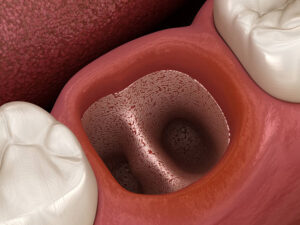
Healing begins immediately after surgery and continues through several implant healing stages. Early changes happen in the gums, followed by deeper bone healing through osseointegration. A Ballwin implant dentist monitors this process to confirm steady improvement during implant recovery.
Expected Timeline During the First Few Days After Surgery
During the first few days after implant placement, mild swelling, light bleeding, and manageable discomfort are common parts of dental implant recovery in St. Louis. Tenderness near the surgical site and limited chewing are expected while tissues begin early healing. These symptoms should gradually lessen each day rather than intensify.
Most patients manage discomfort with prescribed or over-the-counter medication and soft foods. The tooth implant healing timeframe during this stage focuses on protecting the area while initial gum healing begins. Clear improvement is a key sign that the implant recovery time is progressing normally.
What Healthy Healing Looks Like in Weeks 1 to 4
Between weeks one and four, gum tissue becomes firmer and more stable around the implant site. Tenderness continues to decrease, and there should be no persistent drainage or swelling. Normal implant healing signs include improved comfort and easier chewing as soft tissues mature.
Implants should feel increasingly natural during this period, not more noticeable or painful. Early osseointegration begins as bone cells attach to the implant surface. Implant stabilization during this phase supports long-term implant success.
Long-Term Healing and Osseointegration
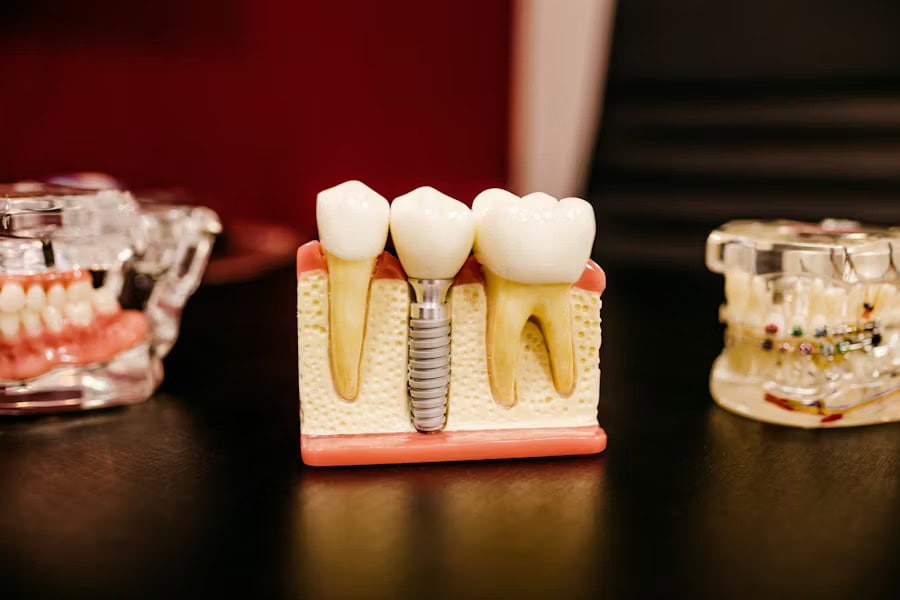
Long-term healing focuses on osseointegration, where the jawbone fully integrates with the implant to create a stable foundation. This phase takes several months and progresses without noticeable symptoms for most patients. The dental implant healing process continues even after the gums appear fully healed.
Follow-up visits occur during this period to confirm implant integration and proper bone support. Successful implant integration supports implant success in St. Louis patients over many years. Regular monitoring allows concerns to be addressed before they affect long-term outcomes.
Warning Signs Your Dental Implant Is Not Healing Correctly
Dental implant healing problems are rare, but early recognition helps prevent long-term implant complications. A dental implant that is not healing correctly often shows clear changes compared to normal recovery patterns. Patients in Ballwin, MO, and St. Louis who notice these signs should contact an implant dentist promptly for evaluation.
Complications usually develop gradually rather than suddenly. Signs of a failed implant often begin with subtle symptoms that worsen instead of improving. Identifying implant problems in Ballwin, MO, early allows treatment before implant stability is affected.
Increasing Pain Instead of Improvement
Pain after implant surgery should steadily decrease during the implant recovery timeline. Increasing or persistent pain beyond the expected window may signal inflammation, infection, or implant movement. Implant discomfort that worsens rather than improves is a common implant failure warning sign.
Pain that interferes with chewing or daily activities deserves professional evaluation. Ongoing pain after implant placement is not part of normal implant healing stages. A Ballwin implant dentist can determine whether healing is delayed or complications are present.
Persistent Swelling or Redness Around the Implant
Swelling and redness should gradually fade as implant healing progresses. Persistent swelling or redness may indicate implant inflammation or early peri-implantitis. Peri-implantitis describes a gum infection around the implant that affects supporting tissues.
Inflamed gum tissue may feel tender or appear swollen for longer than expected. Gum swelling after implant placement should not persist or worsen. Early treatment helps protect the implant and surrounding bone.
Mobility or Looseness of the Implant
Dental implants should never feel loose once placed. Implant mobility signs usually indicate that the implant is not integrating with the bone. A loose dental implant suggests failed osseointegration and requires immediate evaluation.
Even slight movement is abnormal and should not be ignored. Implant stability depends on strong bone support. Prompt assessment helps determine whether the implant can be stabilized or needs intervention.
Pus, Drainage, or Foul Odor
Pus, drainage, or a persistent foul odor around an implant often signals infection after dental implant surgery. Implant infection in St. Louis requires timely treatment to prevent further complications. These signs indicate bacterial activity near the implant site.
Drainage may occur without severe pain, which can delay recognition. Infection after dental implant placement does not resolve on its own. Early care protects gum health and implant stability.
Gum Recession or Exposed Threads
Gum recession around an implant can expose implant threads and increase complication risk. Exposed implant surfaces allow bacteria to collect and irritate surrounding tissues. Gum recession implant issues often progress slowly but affect long-term implant health.
Healthy gum tissue should remain firm and cover the implant base. Visible threads suggest implant tissue problems that need evaluation. Early correction helps preserve implant function and comfort.
Common Causes of Poor Implant Healing in St. Louis Patients
Poor implant healing usually results from a combination of biological, behavioral, or mechanical factors rather than a single issue. Dental implants in St. Louis heal predictably when conditions support bone integration and tissue health. Understanding the causes of implant failure helps patients reduce implant risk factors and improve long-term outcomes.
Healing challenges can affect anyone, even when surgery is performed correctly. Why implants fail often relates to blood flow, bone support, infection control, or excess pressure during recovery. Identifying these risks early helps protect dental implants in St. Louis and the surrounding areas.
Smoking or Nicotine Use
Nicotine restricts blood flow, which slows tissue repair and reduces oxygen delivery during implant healing. Smoking and implant healing do not work well together because reduced circulation limits osseointegration. This increases implant failure risk and delays recovery.
Patients who stop nicotine use before and after surgery often heal more predictably. Reduced osseointegration affects implant stability during early healing stages. Quitting or limiting nicotine supports better implant success.
Uncontrolled Medical Conditions
Certain medical conditions can affect implant healing when they are not well managed. Diabetes, autoimmune disorders, and some medications may slow tissue repair and bone response. Medical conditions that affect implant healing vary widely between patients.
Many patients with well-managed conditions heal normally and achieve stable results. Implant success factors include consistent medical care and clear communication with your dentist. Individual planning helps support predictable healing.
Poor Oral Hygiene or Infection
Plaque buildup around implants increases the risk of peri-implant inflammation and infection. Implant infection often begins when bacteria collect around healing tissues. Poor oral hygiene can disrupt implant healing and lead to complications.
Daily cleaning and professional monitoring reduce infection risk. Implant inflammation develops gradually and may not cause pain early. Maintaining oral hygiene supports healthy tissue attachment.
Bone Density or Insufficient Bone Volume
Implants require adequate bone support to integrate properly. Bone loss in Ballwin patients can affect implant stability during healing. Insufficient bone for implants may limit osseointegration strength.
Bone quality influences how well implants bond with the jaw. Implant bone support issues increase the risk of delayed healing. Careful planning helps address ridge issues without duplicating other treatments.
Excessive Bite Forces or Grinding
Teeth grinding or bruxism places excessive pressure on healing implants. Grinding implant issues often disrupt early integration before the bone fully stabilizes. Occlusal pressure affects implant stability concerns during recovery.
Night guards and bite adjustments help protect healing implants. Reducing mechanical stress supports consistent implant healing. Managing grinding improves long-term implant outcomes.
How St. Louis and Ballwin Implant Specialists Diagnose Implant Healing Problems
Implant specialists diagnose healing problems by evaluating bone support, implant stability, and gum health using clinical exams and digital imaging. This process helps identify implant complications early, before implant failure occurs. Patients seeking implant evaluation in St. Louis or care from an implant specialist in Ballwin receive clear answers about healing progress and next steps.
Diagnosis focuses on comparing expected implant healing stages with current findings. Objective testing confirms whether the implant is integrating properly or showing signs of delayed healing. Accurate assessment guides treatment decisions and protects long-term implant outcomes.
Digital Imaging and Stability Testing
CBCT imaging shows detailed views of the bone surrounding the implant and reveals changes not visible during a visual exam. CBCT for implants allows specialists to assess bone density, implant position, and early osseointegration. These implant diagnostic tools help confirm whether the implant integration process is progressing as expected.
Stability testing checks whether the implant remains firmly anchored within the bone. An osseointegration check helps identify implant stability issues before symptoms worsen. Early detection allows timely adjustments to support healing.
Assessing Gum Health and Soft Tissue Attachment
Soft tissue evaluation focuses on gum color, firmness, and attachment around the implant. Peri-implant assessment helps identify inflammation, bleeding, pocketing, or early recession. During this assessment, the dentist gently probes around the implant to measure pocket depth, since deeper pockets can signal inflammation or early infection. Healthy gum tissue supports implant stability and reduces infection risk.
Implant specialists also evaluate how the gums seal around the implant surface. Soft tissue evaluation reveals early changes that may affect healing. At ActOn Implants, Dr. Matthew Slaven uses advanced imaging and clinical assessment to guide personalized implant care for patients in Ballwin and St. Louis.
What to Do If Your Dental Implant Is Not Healing Correctly
If a dental implant is not healing correctly, the best step is to contact your dentist promptly for guidance and evaluation. Early action helps prevent implant complications and protects long-term stability. Patients in Ballwin and St. Louis should avoid self-treatment and follow professional advice to support safe implant recovery.
Staying calm and informed makes a difference during implant healing concerns. Implant care focuses on monitoring symptoms, maintaining hygiene, and following postoperative instructions. Clear communication with your dentist helps resolve implant problems in Ballwin before they progress.
Steps to Take Right Away
If you notice changes during healing, contact your dentist and describe your symptoms clearly. Avoid adjusting or touching the implant area, since this can worsen irritation. Continue gentle oral hygiene as instructed and follow the implant aftercare guidance in St. Louis carefully.
Do not stop medications or start home remedies without professional advice. Implant problems in Ballwin rely on accurate symptoms and timing. Prompt contact supports appropriate care decisions.
When to Seek Immediate Help
Some implant symptoms require urgent implant evaluation and should not be delayed. Implant emergency care is appropriate if you notice any of the following warning signs:
- Severe pain that worsens instead of improving
- Implant mobility or looseness
- Fever during implant healing
- Drainage or fluid around the implant site
These signs suggest infection or implant instability and should be evaluated promptly. Early care helps protect implant health and prevent further complications.
How to Prevent Implant Healing Problems in the First Place
Preventing implant healing problems focuses on daily habits that support gum health, bone integration, and steady recovery. Most patients heal well when they follow guidance and attend follow-up visits as scheduled. Positive care choices reduce risk and support long-term implant stability.
Implant prevention relies on consistency rather than restrictions. Simple actions performed daily make healing more predictable. These steps help protect implants during recovery.
Follow Proper Aftercare Instructions
Aftercare instructions guide early healing and protect the implant site. Rinsing on schedule, eating soft foods, and limiting pressure reduce irritation during recovery. Implant aftercare supports steady healing and comfort.
Patients should use recommended hygiene tools such as soft toothbrushes, antimicrobial rinses, or water flossers around the implant area. These post-implant healing tips protect healing tissue. Care for dental implants starts with gentle, consistent routines.
Maintain Excellent Oral Hygiene
Clean implants heal more predictably than plaque-exposed implants. Daily brushing and careful cleaning around the implant reduce bacterial buildup. Healthy habits protect healing tissue and comfort.
Good oral hygiene supports tissue attachment and lowers infection risk. Simple routines help maintain long-term results.
Attend All Follow-Up Appointments
Follow-up visits allow dentists to confirm healing progress and identify concerns early. Regular evaluations support implant stability and long-term success. Missed visits delay care adjustments.
Scheduled appointments provide reassurance during recovery. Ongoing monitoring supports healthy outcomes.
Manage Medical Conditions and Lifestyle Factors
Medical conditions and lifestyle habits influence how implants heal. Managing health conditions and limiting nicotine use support tissue repair and bone integration. Balanced habits reduce healing stress.
Clear communication with your dentist supports coordinated care. Individual planning helps protect recovery. Lifestyle awareness improves implant outcomes.
FAQ: Common Questions About Dental Implant Healing in St. Louis, MO
How long does it take for a dental implant to heal?
Dental implant healing usually takes several months as the bone integrates with the implant surface. Early gum healing happens within weeks, but full osseointegration develops more slowly. Your implant recovery timeline depends on bone quality, health factors, and follow-up care.
Is pain normal during implant healing?
Mild discomfort is normal during early healing and should improve each day. Pain that increases or returns after initial improvement is not expected. Ongoing pain may signal dental implant healing problems and should be evaluated.
How do I know if my implant is infected?
You’ll know if your implant is infected when it shows signs like persistent swelling, redness, drainage, or a foul taste. Fever or worsening pain may also occur. If you notice these symptoms, contact your dentist for prompt implant evaluation.
Can a failing implant be saved?
Some dental implants not healing correctly can be treated if problems are caught early. Treatment may involve infection control, bite adjustments, or guided healing support. Early care improves the chance of preserving implant stability.
Should my implant feel loose?
A dental implant should never feel loose at any stage of healing. Implant mobility suggests the implant is not integrating with the bone. A loose implant requires urgent evaluation by an implant specialist.
Schedule Your Implant Healing Evaluation in Ballwin, MO
If something about your implant healing feels unusual, scheduling an early implant evaluation can provide clarity and reassurance. Patients receiving dental implants in Ballwin benefit from prompt assessment when symptoms appear. Early evaluation helps protect comfort, stability, and long-term results.
An implant dentist near you can review healing progress using advanced imaging such as CBCT scans and a careful clinical exam. An implant specialist whom St. Louis patients trust focuses on personalized care and clear guidance during recovery. This approach supports confident healing and ongoing implant health.